
Pediatrics: building a healthy foundation for every child
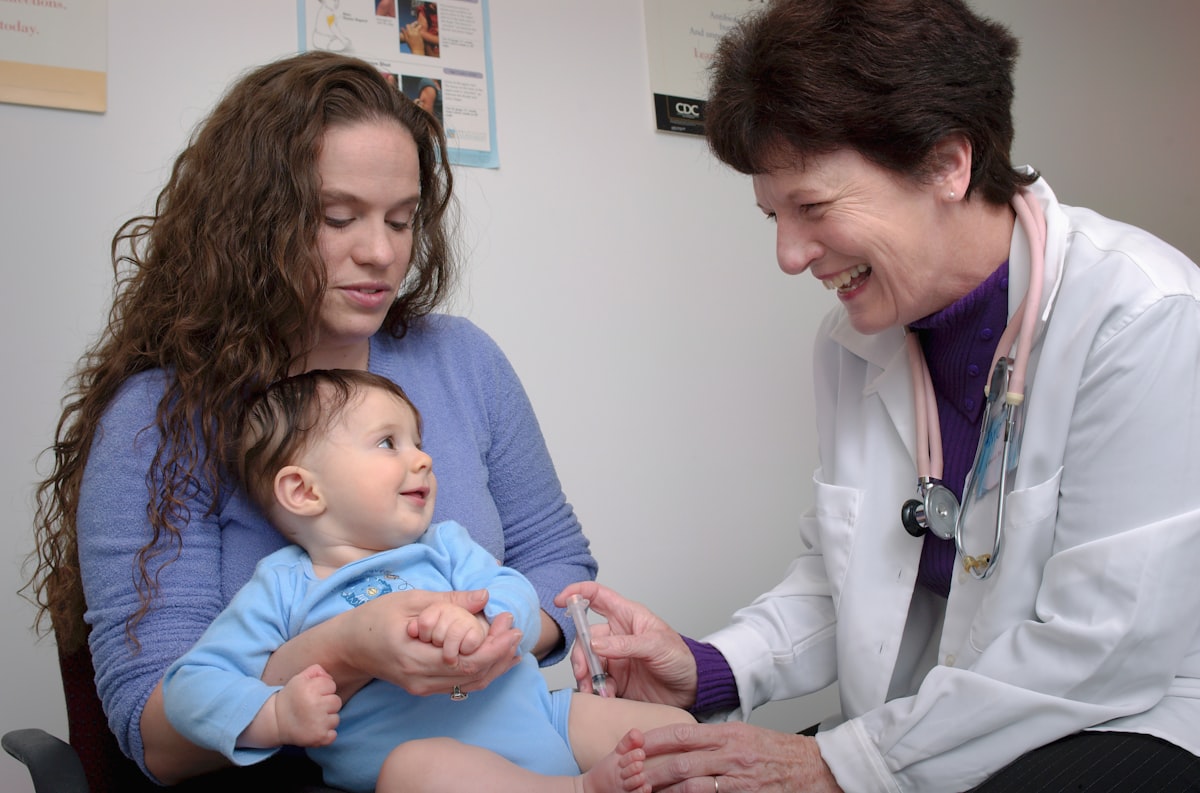
Pediatrics is the branch of medicine dedicated to the health and well-being of infants, children and adolescents. From birth through young adulthood, pediatricians monitor growth and development, prevent illness, diagnose medical conditions and provide healthcare tailored to each stage of childhood.
Healthcare services commonly provided
- ✓Newborn and infant care, well-child visits
- ✓Growth and development monitoring
- ✓Immunizations and developmental screenings
- ✓Acute illness diagnosis and treatment
- ✓School and sports physicals
- ✓Adolescent and behavioral healthcare
The importance of preventive pediatric care
Regular well-child visits allow pediatricians to monitor a child's physical, cognitive, emotional and social development while identifying potential concerns early, enabling timely intervention that significantly improves long-term outcomes.
What the well-child visit schedule actually covers
The recommended visit schedule is frequent in the first two years, roughly at birth, one, two, four, six, nine, twelve, fifteen, eighteen and twenty-four months, then shifts to annual visits from age three onward. Each visit has a purpose tied to that developmental window: early visits focus heavily on growth curves, feeding and immunizations, while visits from the toddler years onward add developmental and behavioral screening, vision and hearing checks, and, from adolescence, confidential conversations about mental health and risk behaviors held directly with the patient rather than only the parent. Missing a visit does not just skip a checkup, it skips the specific screening window that visit was designed to catch, which is why the schedule is built around age rather than being evenly spaced.
When to call between scheduled visits
Parents are often unsure whether a symptom warrants a call, a same-day visit or can wait for the next scheduled appointment. As a general guide, a fever in an infant under three months, difficulty breathing, a rash that spreads rapidly, persistent vomiting, or any symptom that seems to be getting worse rather than better warrants a same-day call to your pediatrician's office. Most practices have a nurse line or triage process specifically to help make that judgment call, and using it is always preferable to waiting out a symptom you are unsure about. Keep a running note of symptom onset, timing and anything that seems to trigger or relieve it, since that detail helps your pediatrician assess the situation faster, whether over the phone or in person.
Final thoughts
Through preventive care, early diagnosis, compassionate treatment and family-centered healthcare, pediatricians play an essential role in helping children grow, learn and reach their fullest potential.